
Descripción
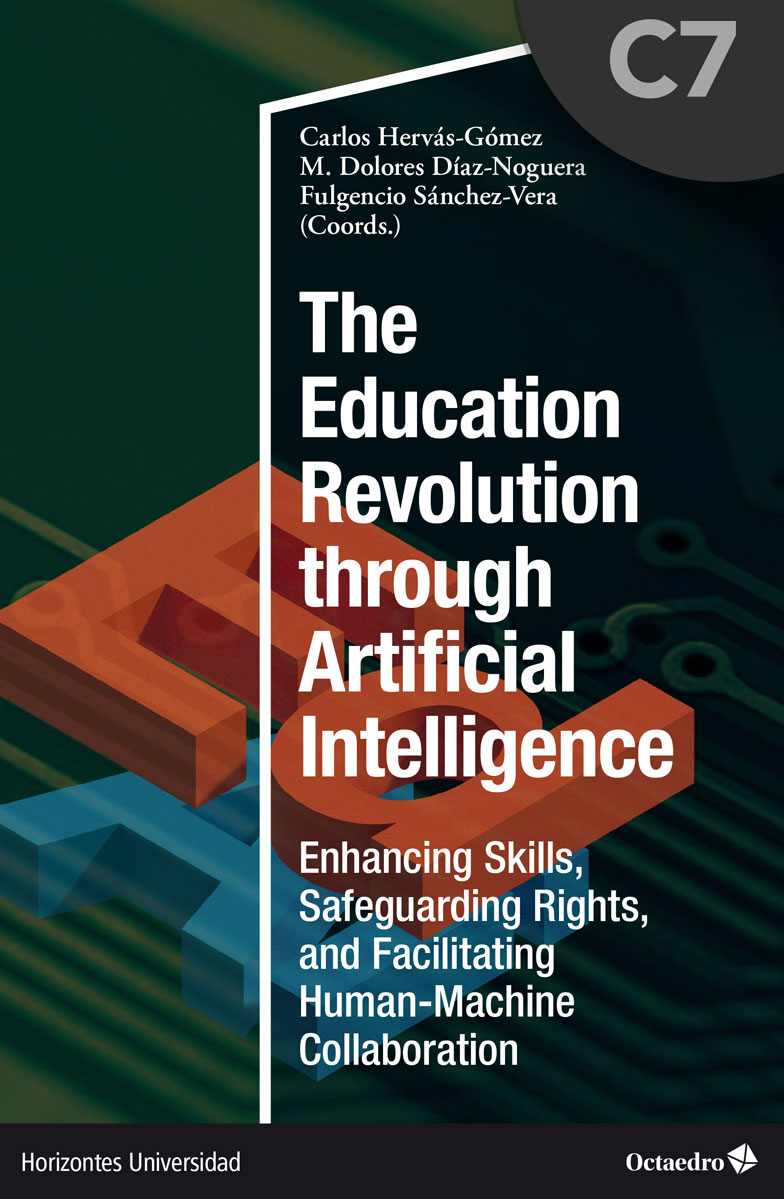
The integration of Artificial Intelligence (AI) in research has brought about a radical change to how knowledge is approached and produced. In higher education research, the use of AI tools, such as ChatGPT, plagiarism detectors, AI document management, and writing assistants, has become widespread. One of the most recent AI tools, i.e., ChatGPT (a chatbot developed by OpenAI and launched on November 30, 2022), has sown discords and stirred divisions among its users. Students and researchers could accomplish their tasks sooner with less effort, thanks to ChatGPT. Both sides could make use of the transformative power and intelligence of ChatGPT to help them generate various contents, such as text, audio, images, synthetic data, or even ask for suggestions. Basically, ChatGPT can serve as our dearest personal assistant, who understands and answers our commands, requests, and questions, to help authors progress at a faster speed, disciplinarily and interdisciplinarily. On the other hand, integrating the use of ChatGPT into research content may not be recommended due to its conflicting ethical use issues. Thus far, no legal or ethical regulations have emerged to resolve the dynamic intricacies of these situations. However, best practices to overcome the challenges could provide lessons to learn, giving us insights regarding what has been planned and implemented, and what requires more attention and refinement or improvement.

Valoraciones
No hay valoraciones aún.