
Descripción
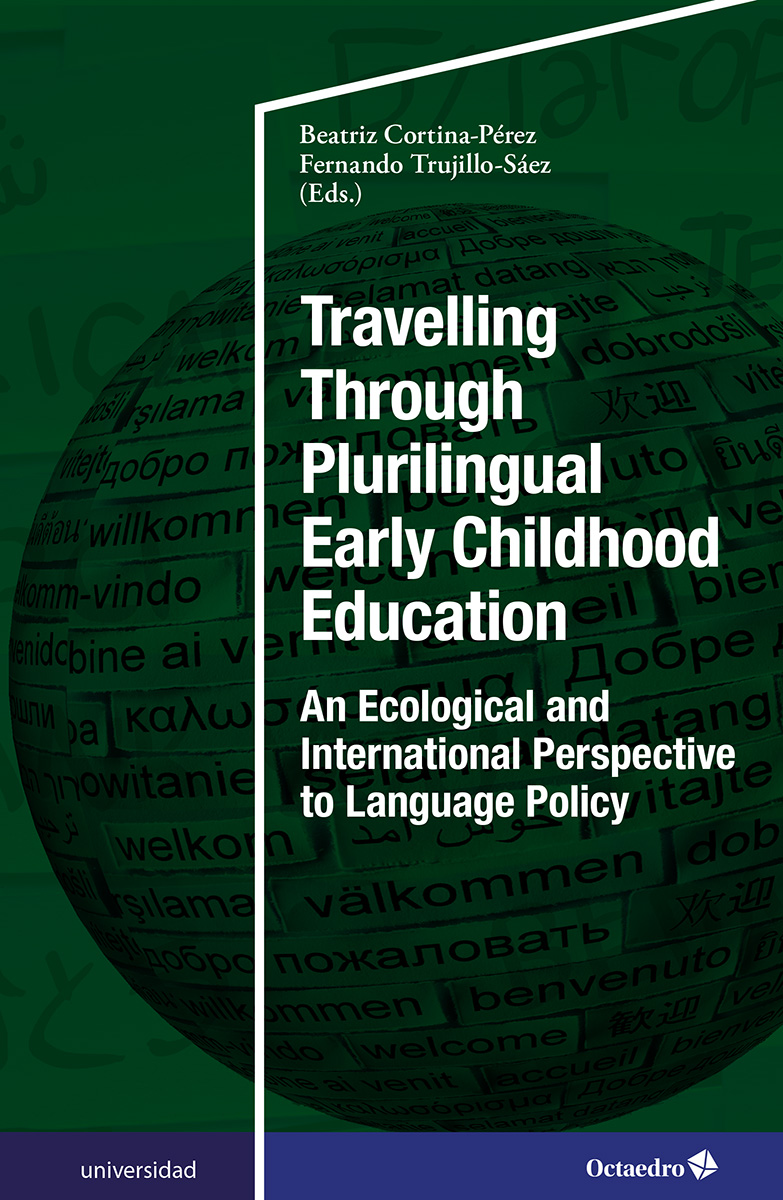
This book takes readers on a journey through a range of countries and early childhood education contexts to explore how multilingual education is shaped by the environments in which it takes place. Across these chapters, we see that early multilingual education does not look the same everywhere: it is framed by each setting’s linguistic landscape, educational traditions, policy choices, and social realities.
By moving between different national and local contexts, the volume shows how policies are interpreted, adapted, and sometimes challenged in practice. It also highlights the role of teachers, families, and communities in making multilingual education meaningful for young children in their everyday lives. What emerges is a picture of multilingual education not as a single model to be applied universally, but as a set of practices deeply rooted in particular ecosystems.
Bringing together international perspectives, the book addresses issues such as language policy, teacher education, classroom practice, inclusion, and the place of home and community languages in early education. Taken together, the chapters offer both comparative insight and grounded examples of how young children’s multilingual development can be supported in diverse ways.
This volume will be of interest to researchers, teacher educators, policymakers, and practitioners seeking to understand how early multilingual education is imagined, enacted, and experienced across different parts of the world.
Valoraciones
No hay valoraciones aún.