
Descripción
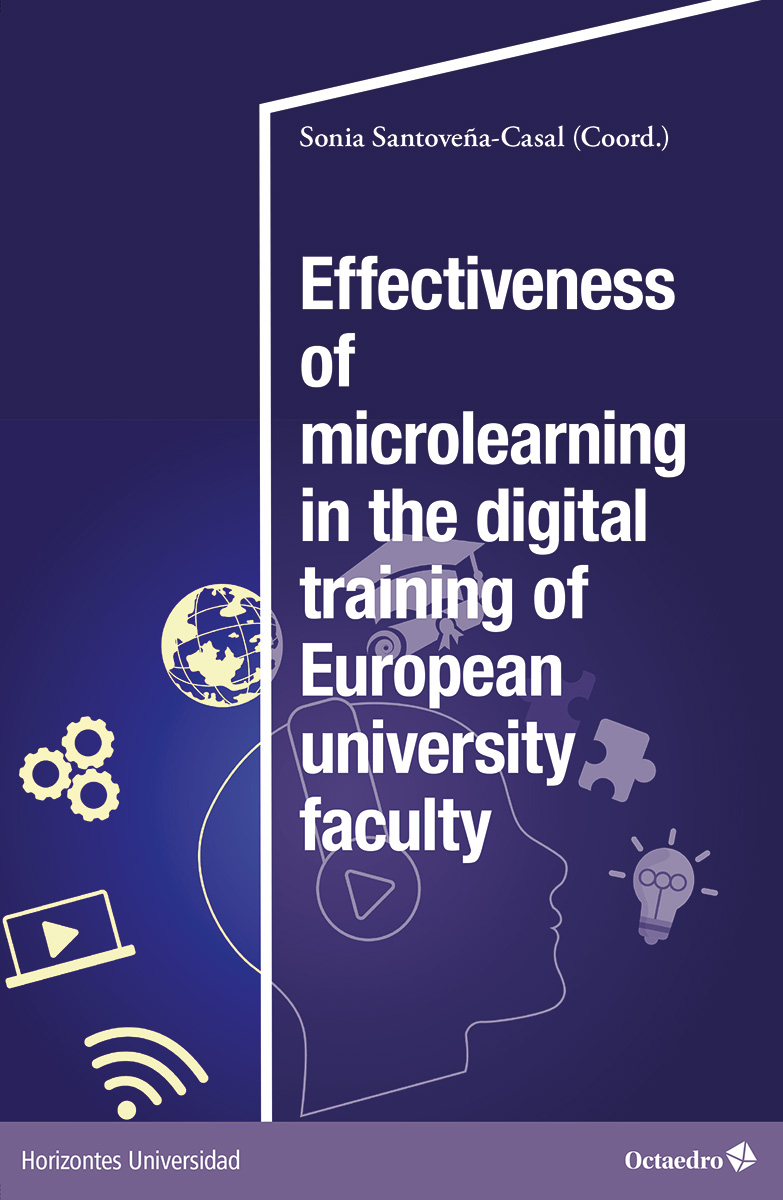
Higher education is undergoing a profound digital transformation. This work presents the results of the European Network in D-flexible Teaching (ENID-Teach) project, funded by the KA220-HED (Cooperation Partnerships in Higher Education, 2021-1-ES01-KA220-HED-000027551) programme, coordinated by the Universidad Nacional de Educación a Distancia (UNED). Through flexible and innovative digital methodologies, this initiative has made it possible to explore new forms of teaching adapted to current challenges. The analysis is based on interviews and discussion groups with European university professors, offering a practical perspective on the impact of hybrid learning, gamification and microlearning in higher education.
The book is structured in three parts. Firstly, it addresses the fundamentals and innovative methodologies that lay the foundations for flexible digital learning. Secondly, it presents the experiences of Spanish teachers, including real cases of the implementation of these strategies in the university classroom. Finally, it examines European practices in the process of digital transformation, highlighting different approaches adopted in different countries across the continent.
This work is, therefore, a valuable tool for those seeking to understand and apply innovative pedagogical models in the current context of higher education.
La educación superior atraviesa una profunda transformación digital. Esta obra presenta los resultados del proyecto European Network in D-flexible Teaching (ENID-Teach) project, funded by the KA220-HED (Cooperation Partnerships in Higher Education, 2021-1-ES01-KA220-HED-000027551) program, coordinated by the Universidad Nacional de Educación a Distancia (UNED). A través de metodologías digitales flexibles e innovadoras, esta iniciativa ha permitido explorar nuevas formas de enseñanza adaptadas a los desafíos actuales. El análisis se fundamenta en entrevistas y grupos de discusión con profesorado universitario europeo, ofreciendo una perspectiva práctica sobre el impacto del aprendizaje híbrido, la gamificación y el microlearning en la educación superior.
La estructura de la obra se articula en tres partes. En primer lugar, se abordan los fundamentos y las metodologías innovadoras, que sientan las bases del aprendizaje digital flexible. En segundo lugar, se presentan experiencias de docentes españoles, en las que se exponen casos reales de implementación de estas estrategias en el aula universitaria. Finalmente, se examinan prácticas europeas en el proceso de transformación digital, destacando diversos enfoques adoptados en diferentes países del continente.
Esta obra constituye, por tanto, una herramienta valiosa para quienes buscan comprender y aplicar modelos pedagógicos innovadores en el contexto actual de la enseñanza superior.

Valoraciones
No hay valoraciones aún.